Deciding to seek help for sex addiction can bring up a new set of questions. What kind of treatment do you need? Is weekly therapy enough, or would stepping away from everyday life provide the structure you need to recover?
Sex addiction treatment centers can offer different levels of care depending on the severity of compulsive behaviors, previous attempts at recovery, and the support available at home. Understanding those differences can help you find treatment that meets you where you are and gives you the tools to move forward.
What is a Sex Addiction Treatment Center?
A sex addiction treatment center provides specialized care for people struggling to control compulsive sexual behaviors despite the negative impact those behaviors may be having on their lives.
Unlike a general addiction program, a specialized center focused on the patterns and challenges associated with sexual addiction. Treatment may address pornography use, compulsive sexual behavior, secrecy, relationship difficulties, emotional regulation, trauma, and other factors contributing to the addiction.
The goal isn’t simply to stop a behavior. Effective treatment helps clients understand what drives addiction and develop healthier ways to cope, connect, and respond to triggers.
Understanding Different Levels of Care
Not everyone struggling with sex addiction needs the same type or intensity of treatment. Sex addiction treatment centers may offer residential care, outpatient therapy, or a combination of services based on each person’s needs.
Residential Treatment
Residential treatment provides an immersive environment where clients live at the treatment center and focus on recovery away from everyday triggers and distractions.
This level of care may be appropriate when compulsive behaviors have become difficult to control, previous attempts to stop haven’t lasted, or the addiction is significantly affecting relationships, work, or emotional well-being.
Residential programs can provide greater structure through individual and group therapy, daily recovery activities, accountability, and consistent support.
Outpatient Treatment
Outpatient treatment allows clients to continue living at home while attending scheduled therapy sessions.
This approach may be appropriate for someone who can safely manage daily responsibilities and has a supportive home environment. It can also provide continued therapeutic support after completing a more intensive residential program.
The right level of care depends on the individual, which is why a professional assessment can be an important part of beginning treatment.
What Happens as a Sex Addiction Treatment Center?
Treatment should extend beyond simply avoiding compulsive sexual behaviors. A specialized program looks at the patterns, experiences, and emotions contributing to the addiction.
Depending on the program and individual treatment plan, care may include:
- Individual therapy
- Group therapy and peer support
- Trauma-informed care
- Cognitive Behavioral Therapy (CBT)
- Relapse prevention
- Mindfulness and emotional regulation
- Couples or family counseling
- Continuing care and recovery support
Working with professionals who understand sex addiction can also make it easier to discuss experiences that may otherwise carry significant shame or embarrassment.
Why Specialized Treatment Matters
Sex addiction can involve challenges that aren’t always addressed in a general addiction program. Secrecy, shame, intimacy, betrayal, relationship damage, and compulsive sexual patterns may all play a role in recovery.
Specialized sex addiction treatment centers understand these complexities and can address sex addiction as the primary concern rather than treating it as a secondary issue.
Working with a Certified Sex Addiction Therapist (CSAT) can provide another level of specialized expertise. CSAT’s receive advanced training in assessing and treating sexual addiction and compulsive sexual behaviors.
What to Consider When Exploring Treatment Centers
Finding appropriate care isn’t necessarily about choosing the program with the most amenities or the biggest promises. It’s about understanding whether its approach matches your needs.
As you explore treatment centers, consider:
- Does the program specialize in sex addiction?
- Are clinicians specifically trained to treat compulsive sexual behaviors?
- Are treatment plans individualized?
- Does the program address underlying emotional or behavioral patterns?
- What levels of care are available?
- Are spouses and families offered support?
- What happens after treatment ends?
A treatment center should also be willing to answer your questions and help determine whether its program is an appropriate fit.
Sex Addiction Treatment at Desert Solace
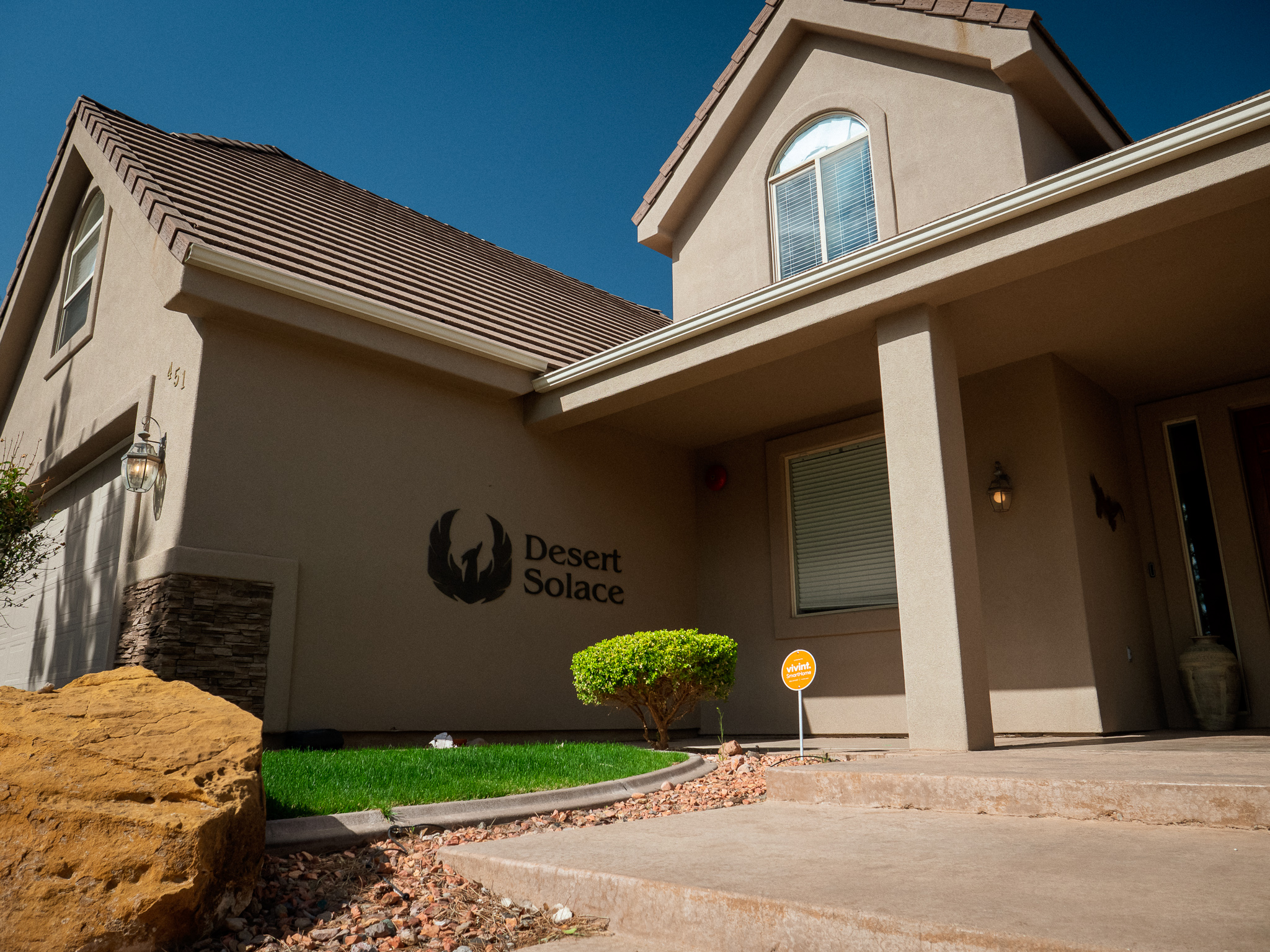
Desert Solace provides both residential and outpatient treatment for men struggling with sex addiction and pornography addiction. Our programs specialize in these compulsive behaviors while also addressing the underlying and co-occurring issues that can contribute to addiction.
Our residential program in Dammeron Valley, Utah, offers individual therapy with a Certified Sex Addiction Therapist (CSAT), daily group therapy and check-ins, mindfulness and wellness practices, experiential activities, family support, and ongoing recovery resources. For those who don’t require residential care, our St. George outpatient center offers individualized therapy through both in-person and virtual sessions.
With residential and outpatient treatment options available, Desert Solace helps clients find a level of care that reflects their individual needs while building the skills and support needed for long-term recovery.
Find the Right Support for Recovery
Choosing among sex addiction treatment centers can feel overwhelming, but understanding the level of care you need can make the decision clearer. Specialized treatment provides an opportunity to address more than the behavior itself and begin working toward meaningful lasting change.
If you or someone you love is struggling with sex addiction, call Desert Solace at 435-817-1351 to speak with our team about your treatment options.